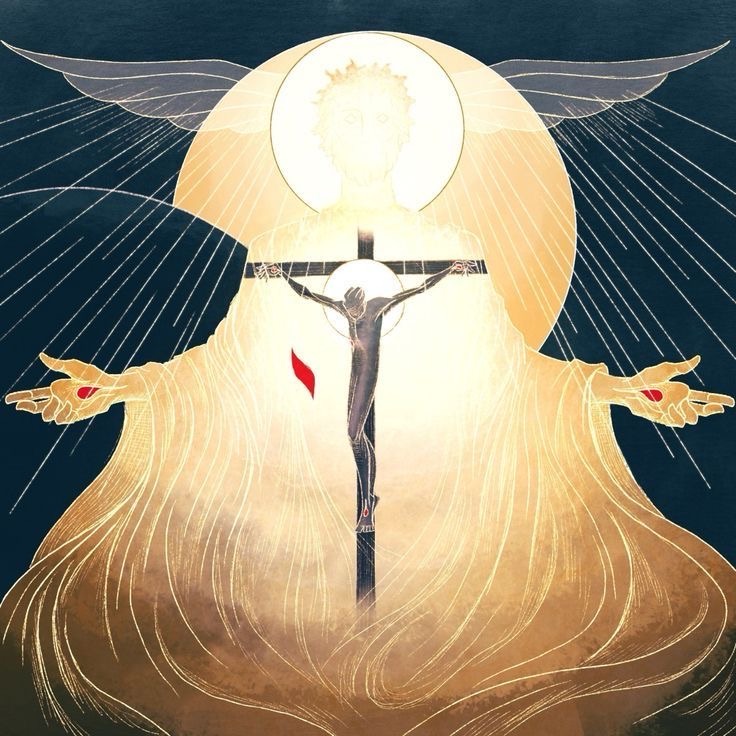
Jesus Is Not Nice, He’s Kind

Discover the biblical truth about Jesus’ character through the Literal Standard Version (LSV). Jesus wasn’t “nice”—He was kind, powerful, and uncompromising in truth. Explore what it means to follow a Savior who values the heart over comfort and truth over tolerance.

What Most Christians Miss About Repentance and Forgiveness

How do we understand the “name” of God, the Father, Son and Holy Spirit—together, yet distinct? How do repentance and forgiveness tie into this “Name,” and what does the gospel call us to preach? In this post we examine Luke 24:47, Acts 2, and the baptismal grounding of the New Testament, weaving poetic reflection, relational invitation, and deep wisdom.

Of Dust and Breath: Becoming Who God Intended

There are moments in your faith journey when God’s Word stops being something you read—and becomes something you live.
In my own walk with Him, I found one of those moments buried in the very beginning, between Genesis 1 and Genesis 2.
It changed how I saw myself, how I understood God, and how I now live within His purpose.

The Whisper That Forms the World

Our words shape more than conversation—they sculpt the atmosphere of the soul. Drawing from the Literal Standard Version (LSV) of Scripture, this reflection unites the poetic cadence of Tennyson, the relatability of Billy Graham, and the steady wisdom of C. S. Lewis to reveal how faith-filled speech transforms the heart, renews the mind, and honors God.

Ha-Satan, Samyaza & the Accuser: What’s in a Name and Why It Changes Everything

Ha-Satan” is not simply a name—it is a title: the adversary/accuser. The Bible presents this figure functionally. Later traditions expanded the narrative into a cosmic rebel-king. Understanding the original meaning rewires how you relate to the adversary: not from fear, but from freedom; not from dread, but from declaration: Case dismissed.
Whether Job faced him, Jesus met him, or you face him now — the verdict remains the same. Understand the name. Recognise the role. Walk in freedom.

When the Righteous Suffer

The Book of Job stands apart from every other book in Scripture. It dares to ask the question that trembles behind every quiet tear and sleepless night: If God is so good, why do the innocent suffer? Job was a man of staggering wealth and greater righteousness—a man whose prayers covered not only his own life but the hearts of his children. Yet the story opens not in his home, but in heaven, where “the sons of God” present themselves before the Lord, and among them stands ha-Satan—not yet the devil of later theology, but the accuser, the adversary permitted to test the faith of humankind.

Fasting and the Unseen Realm: How Daniel Won a Battle He Never Saw

Heaven heard Daniel’s prayer the very first day he spoke it — yet twenty-one days passed before the answer arrived. Why? Because a battle was raging in the unseen realm. His fasting did not force God’s hand; it weakened the enemy’s grip. When flesh bows to faith, strongholds break. This is the mystery of fasting — not starvation, but spiritual firepower. The moment you choose hunger for God over comfort, the invisible world shifts. Some prayers move mountains; others start wars in heaven. Fasting is how you win them.

Faith Among Lions

There comes a moment in every leader’s journey when the silence feels heavy, when the world circles close with sharpened tongues and falsehoods roar like lions. When you stand alone, misunderstood, and your only defense is faith. It is in that place, the den, not the palace, that true trust in God is proven. “So … Read moreFaith Among Lions