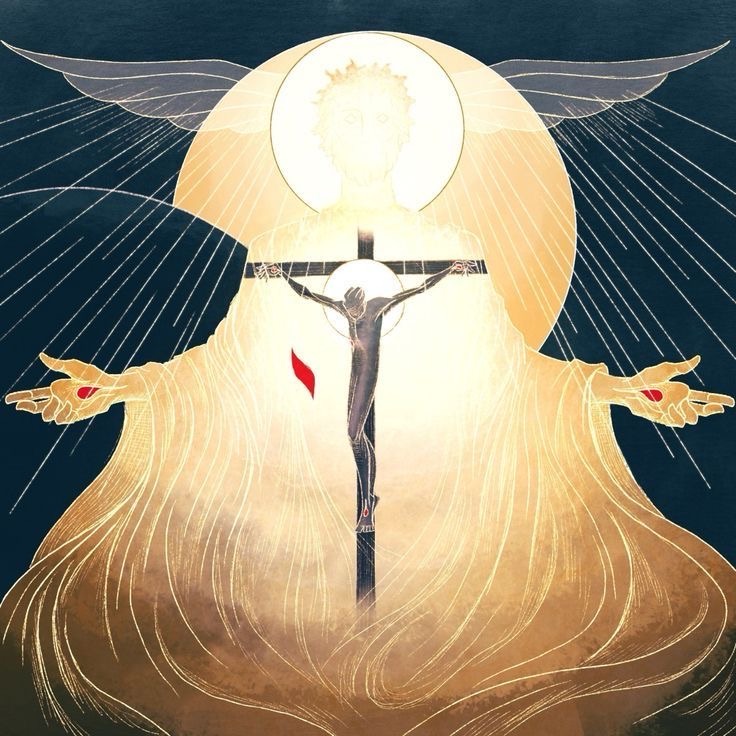
In the hush of a Jerusalem morning, with the wounds of the cross still visible in His resurrected body, Jesus stood among His disciples and spoke the words that would change the course of human history.
“And repentance and forgiveness of sins is to be proclaimed in His Name to all the nations, beginning from Jerusalem.” — Luke 24:47 (LSV)
It was not a suggestion. It was not a debate. It was a divine commission. The Savior who had overcome death now declared that the message of life must begin where He was rejected, and then travel outward until every nation heard the sound of mercy.
This was no small command. It meant that sin was not simply to be condemned, it was to be confronted and healed. And that forgiveness was not to remain a doctrine, it was to be proclaimed in a Name, a Name that carried both authority and intimacy, justice and compassion, power and tenderness.
The Name Above Every Name
When Scripture speaks of doing something “in His Name,” it does not refer to the repetition of syllables, but to the invocation of all that the Name represents. In the Hebrew mind, a name was the sum of a person’s nature. To act in someone’s name was to act in their authority, aligned with their will and purpose.
Thus, when Jesus commanded His followers to preach in His Name, He was not simply giving them a formula. He was giving them Himself.
“And Peter said to them, ‘Repent, and let each of you be immersed in the Name of Jesus Christ, for forgiveness of sins; and you will receive the gift of the Holy Spirit.’” — Acts 2:38 (LSV)
Here the apostles did not diminish the Father or the Spirit; they fulfilled the unity Jesus spoke of in Matthew 28:19, where the Lord declared, “baptizing them in the Name of the Father, and of the Son, and of the Holy Spirit.” Notice. He said Name, not names. The triune God acts in one purpose, one divine authority, one redeeming mission.
The power of that Name is not in its pronunciation but in its possession. To belong to Christ is to live under the covering of His Name, to reflect His character, to speak His words, to walk as one who bears Heaven’s signature.
The Turning That Changes Everything
The call to repentance is not a call to despair but to awakening. In the Greek, the word metanoia means “to change one’s mind,” to see differently, to think anew. Repentance is not self-condemnation, it is the re-alignment of the soul with the mind of Christ.
To repent is to turn away from the dim corridors of sin and face the light of truth. It is to allow the grace of God to invade the places we’ve kept sealed. It is to say, “Lord, I see now what You see, and I surrender.”
And in that surrender comes freedom. “If the Son may make you free,” Jesus said, “you are really free” (John 8:36 LSV). Forgiveness is not a promise postponed; it is a gift present. The blood of Christ does not demand that we repeat rituals until we are worthy; it declares that the work is finished, that those who believe are washed clean.
A Gospel for Every Nation
The message began in Jerusalem, but it was never meant to stay there. The gospel is centrifugal, it spins outward with unstoppable force. From the city that once cried “Crucify Him” came the first preachers of His resurrection. From the hill of rejection came the river of reconciliation.
So it is today. The Name must still be carried beyond our walls, our cultures, our preferences. To every language and people, the same truth must be proclaimed: that in Christ, there is forgiveness; in repentance, there is life; in His Name, there is salvation.
The Weight of Glory and the Witness of the Heart
To bear the Name of Jesus is to carry the weight of Heaven lightly, not in arrogance but in awe. It is to remember that baptism is not magic water, nor repentance an empty gesture, but the mark of belonging to the One who conquered death.
We are not called to perform faith, but to live it, to let the fire of redemption refine us, not merely define us. As Tennyson once wrote, “We are not now that strength which in old days moved earth and heaven… but strong in will to strive, to seek, to find, and not to yield.”
So let the gospel move through us, imperfect vessels though we are. Let us speak repentance not with the lash of guilt but with the light of grace. Let us proclaim forgiveness not as distant hope but as living truth. Let us carry that sacred Name, the Name that holds Heaven and let its sound awaken hearts still wandering in the dark.